Play Therapy for Children Struggling at School
Hermanus & the Overberg
When School Becomes a Struggle
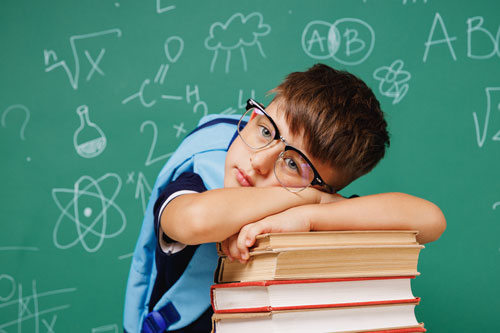
School is one of the most important environments in a child’s life — and also one of the most demanding. It is where children learn not only academic content, but social skills, self-regulation, resilience, and how to navigate a world beyond the family. When something goes wrong at school, it rarely stays contained to the classroom.
School difficulties can stem from many sources: unresolved emotional stress at home, social anxiety, bullying, neurodevelopmental differences, a learning style that doesn’t fit the traditional classroom model, or simply a period of significant change. Whatever the cause, the impact on a child’s confidence, motivation, and overall wellbeing can be significant.
Signs Your Child May Need Support
- Refusing to go to school, or frequent complaints of stomach aches and headaches on school mornings
- Difficulty making or keeping friends — social isolation or peer conflict
- Falling behind academically despite effort and ability
- Being bullied — or engaging in bullying behaviour themselves
- Teacher reports of inattention, withdrawal, emotional reactivity, or disruptive behaviour
- Loss of motivation or enthusiasm for learning
- Coming home from school exhausted, irritable, or emotionally depleted
- A sudden drop in academic performance following a change at home or school
How Sulene's Background Makes a Difference
Sulene’s approach to school difficulties is informed by her own background as a qualified educator. Before specialising in play therapy, she worked with children in schools and educational support settings — which means she understands from the inside how the school system works, what teachers observe and what they can and cannot address, and how emotional wellbeing and academic performance are deeply interconnected.
This background allows Sulene to liaise meaningfully with teachers and school support staff — with the parent’s permission — to ensure that the child’s emotional journey is supported consistently across both the home and the school environment.
How Play Therapy Helps
Play therapy does not replace academic tutoring — but it addresses something that tutoring cannot: the emotional and psychological roots of school struggle. When a child feels safe, understood, and emotionally regulated, they are far better equipped to learn, engage socially, and manage the challenges of school life.
Through play therapy, children develop:
- Emotional regulation — the ability to manage their feelings in the school environment
- Confidence and self-worth — the belief that they are capable and valued
- Social skills and resilience in peer relationships
- Coping strategies for anxiety, frustration, and overwhelm
- A stronger sense of identity and belonging within the school community