Play Therapy for Trauma, Grief & Loss in Children
Hermanus & the Overberg
When Something Too Big Has Happened
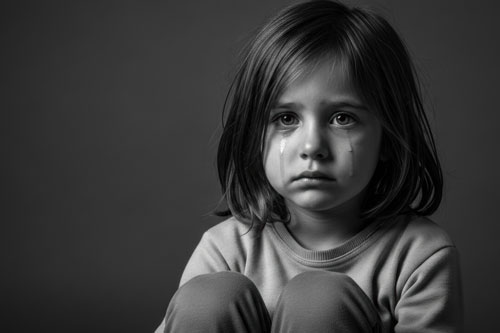
Children who have experienced trauma, loss, or significant distress often carry their pain in ways that are difficult to see and even harder to reach through words. A child who has lost a parent, experienced abuse, witnessed family conflict, or been through a frightening event may not be able to tell you what is wrong — but the pain will show up somewhere.
It may show up in nightmares, in sudden behavioural changes, in withdrawal, in clinginess, or in intense emotional reactions that seem to come from nowhere. Trauma in children is often invisible to the adult eye — and yet it shapes everything.
Play therapy is internationally recognised as one of the most effective approaches available for helping children process traumatic experiences. In the safe containment of the therapy room, children can explore painful experiences symbolically — through play, story, art, and sandplay — without being pushed to confront their pain directly before they are ready.
What Sulene Can Help With
- Bereavement — the death of a parent, sibling, grandparent, pet, or other significant person
- Parental separation or divorce and the losses that come with it
- Witnessing domestic violence or ongoing family conflict
- Physical, emotional, or sexual abuse
- Accidents, medical procedures, or hospitalisation
- Community trauma or violence
- Sudden, unexpected, or overwhelming life changes
- Secondary trauma — being deeply affected by a loved one’s pain
The Play Therapy Approach to Trauma
Traumatised children often cannot talk about what happened — not because they don’t want to, but because trauma is stored in the body and in the emotional brain, not in the thinking, verbal brain. Traditional talk therapy can be re-traumatising if used too soon or without the right foundation.
Play therapy works with the whole child. Through the symbolic and metaphorical language of play, children can process traumatic material at a distance that feels safe — using a puppet to tell a story, a sand tray to create and reshape a scene, or art to express feelings that have no words. This approach follows the child’s own pace and internal wisdom about what they are ready to explore.
Sulene works collaboratively with parents and, where appropriate, with schools and other professionals to ensure the child’s healing is supported consistently across every environment in their life.